“The greatest evil of American slavery was not involuntary servitude but rather the narrative of racial differences we created to legitimate slavery. Because we never dealt with that evil, I don’t think slavery ended in 1865, it just evolved.”
⏤Bryan Stevenson
“How long will it be before we finally choose to connect all the dots? How long before we confess the history of racism embedded in our systems of housing, education, health, criminal justice, and more? How long before we dig to the root?”
⏤Austin Channing Brown
GETTING STARTED
Set aside some time to watch and read these 4 short introductory videos and articles on America’s history of racial injustice.
1
Holy Post – Race in America
“We need to talk about race. Why are people angry? Why so upset? Didn’t we elect a black president? Pass civil rights laws? Isn’t racism illegal now? … Why are people still angry? Let’s take a look at race in America.” — Phil Vischer [Video: 17:52]
2
The Story of Reconstruction
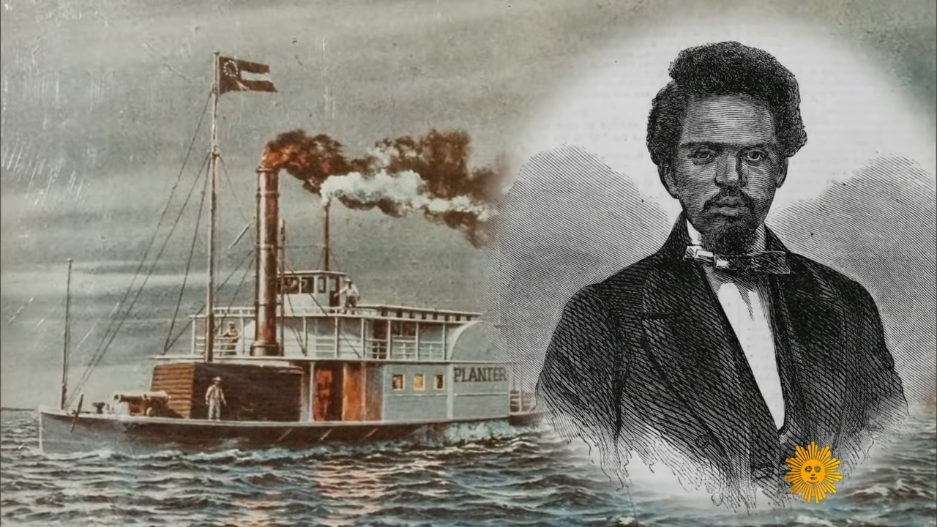
In the years following the Civil War known as Reconstruction, newly-freed African American men could finally vote, and would be elected to represent Southerners in Congress. In a new PBS documentary by Harvard professor Henry Louis Gates. Mo Rocca talks with Gates, as well as with historian Eric Foner and author Lawrence Otis Graham, about some of the most noted African American figures in the post-Civil War era. [Video: 8:13]
3
The Jim Crow Museum
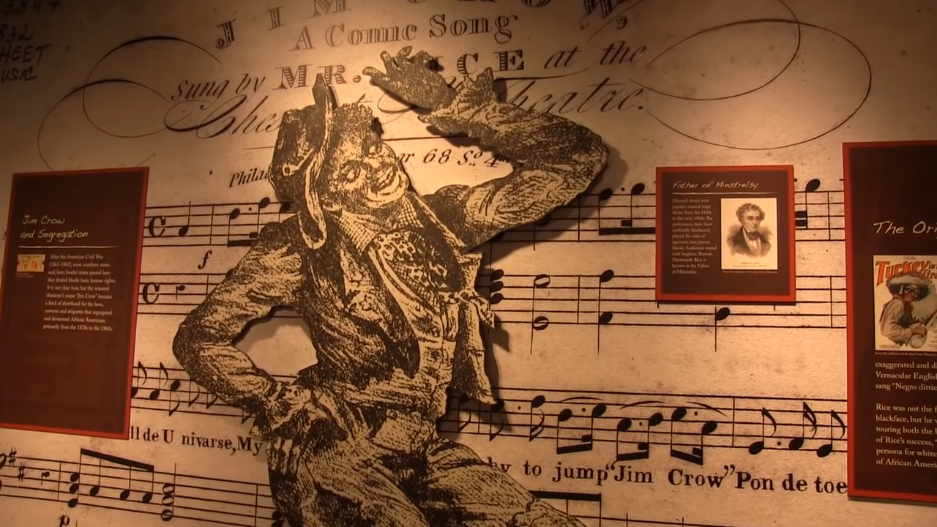
Tour the Jim Crow museum with founder and curator, Dr. David Pilgrim. Dr. Pilgrim discusses some of the major themes of the Jim Crow Museum. Jim Crow was not just a character or a set of “laws”, it was a system that built upon itself to create and sustain a society with a racial hierarchy. [Video: 22:48]
4
Redlined: A Legacy of Housing Discrimination
Decades of housing discrimination have helped create an enormous wealth gap between white and black families. The enduring legacy of redlining — the “legal” and government sponsored effort to deny mortgages and homeownership opportunities to African Americans and other minorities — continues to undermine their quality of life. [Video: 15:08]
GOING DEEPER
There are many fantastic resources to help educate us on America’s history of racial injustice. Consider some of these additional resources to grow in your knowledge and understanding.
Jump to: A History of Racial Injustice: Calendar / Why Look at History? / Voices of Slavery / Civil War / Reconstruction / Segregation / Terror Lynchings / Monument Construction / Jim Crow, Black Codes and Convict Leasing / Redlining / Voter Suppression / Destruction of Black Communities & Wealth / Sundown Towns / Racial Wealth Gap / War on Drugs / Racial Rhetoric / Racial Disparities in Healthcare / Consequences of Systemic Disadvantages / North Carolina History / Movies and Documentaries / Books / Donate – Get Involved /
A History of Racial Injustice – Calendar from E.J.I.
EJI’s [Equal Justice Initiative] 2020 calendar is a full-color wall calendar that includes hundreds of historical entries (one for every day of the year) and twelve short essays highlighting historical events and issues in our nation’s racial history. [read more]
‘
Why Look at History?
 Justified Journey – Dr. Gee Documentary Film — “If you want to understand how America’s legacy of the Black experience extends to the racial inequalities that still exist today, then you need to hear this story of family revelations and hope.” [Video 2:44]
Voices of Slavery
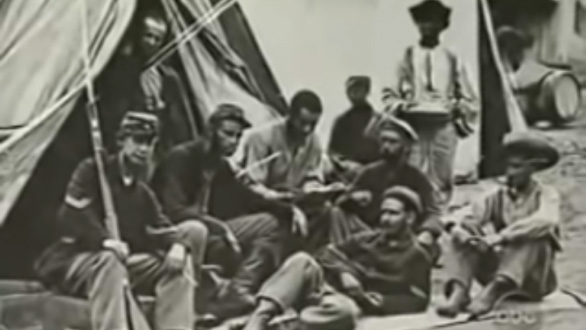 Former Slaves Tell Their Story — A story done by ABC News in 1999 about slavery as told by people who were slaves. Recorded in the 1940’s. [Video 9:54]
Civil War
Cornerstone Speech – Savannah, GA, March 21, 1861 — In his March 21, 1861, Cornerstone Speech, Confederate Vice President Alexander H. Stephens presents what he believes are the reasons for what he termed was a “revolution.” This revolution resulted in the American Civil War. Stephens’s speech is remembered by many for its defense of slavery, its outlining of the perceived differences between the North and the South, and the racial rhetoric used to show the inferiority of African Americans. At paragraph nine, Stephens begins to explain the Confederacy’s new constitution, leading up to this telling statement in paragraph 10, “Our new government is founded upon exactly the opposite idea; its foundations are laid, its cornerstone rests, upon the great truth that the negro is not equal to the white man; that slavery subordination to the superior race is his natural and normal condition.” [Approx. 16.5 minutes to read entire speech]
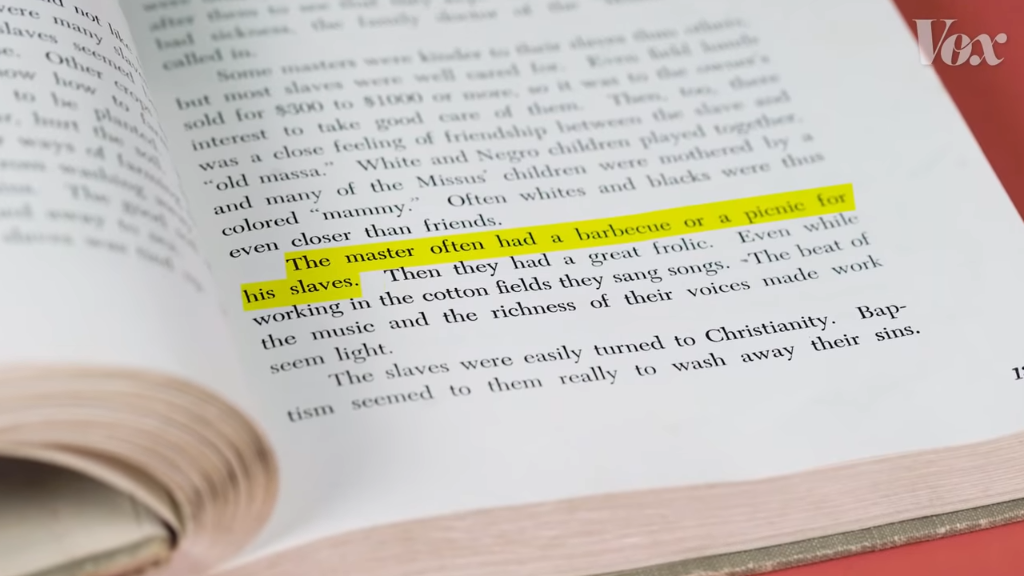 How Southern Socialites Rewrote Civil War History — “The United Daughters of the Confederacy was a significant leader of the “Lost Cause,” an intellectual movement that revised history to look more favorably on the South after the American Civil War. They were women from elite antebellum families that used their social and political clout to fundraise and pressure local governments to erect monuments that memorialized Confederate heroes.” [Video 6:55]
\
Reconstruction
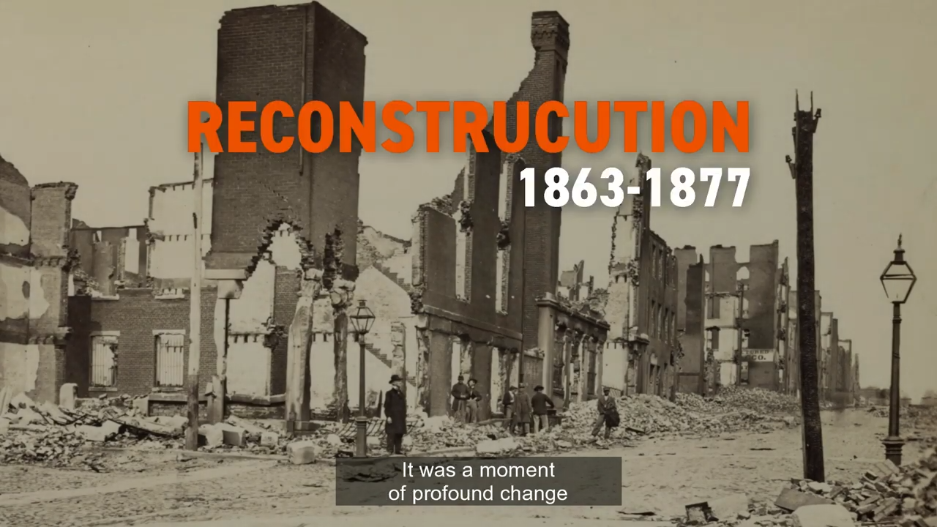 Reconstruction: The Vote | Black History in Two Minutes
— After the Civil War, the Reconstruction era brought about hope and change in the form of
citizenship and equality in America. Black men were given the right to vote, and in 1870, Hiram Revels became the first African American in the U.S. Congress when he was elected to represent Mississippi in the Senate.
[Video 2:29]
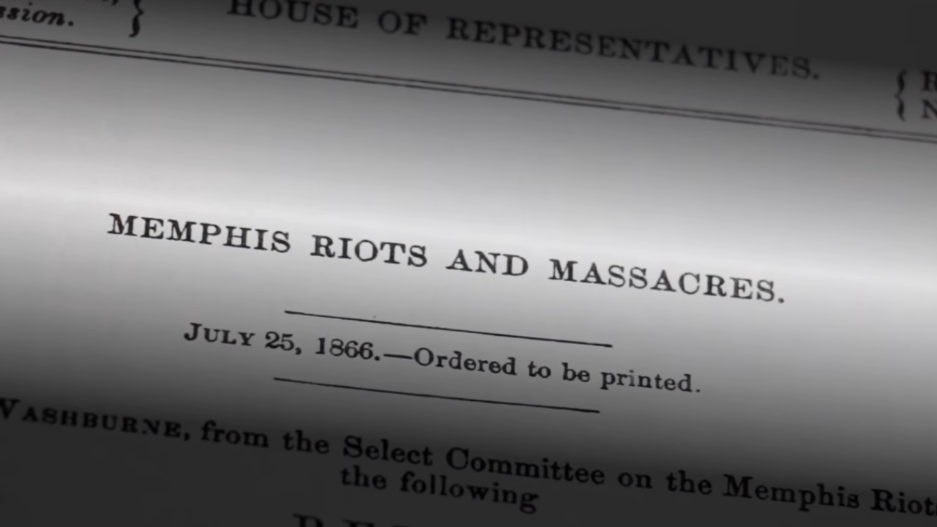 Commemorating the 1866 Memphis Massacre — The
Memphis Massacre was one of the first and largest acts of racial violence that took place during the era we call reconstruction. It erupted on May 1st of 1866. [Video 5:27]
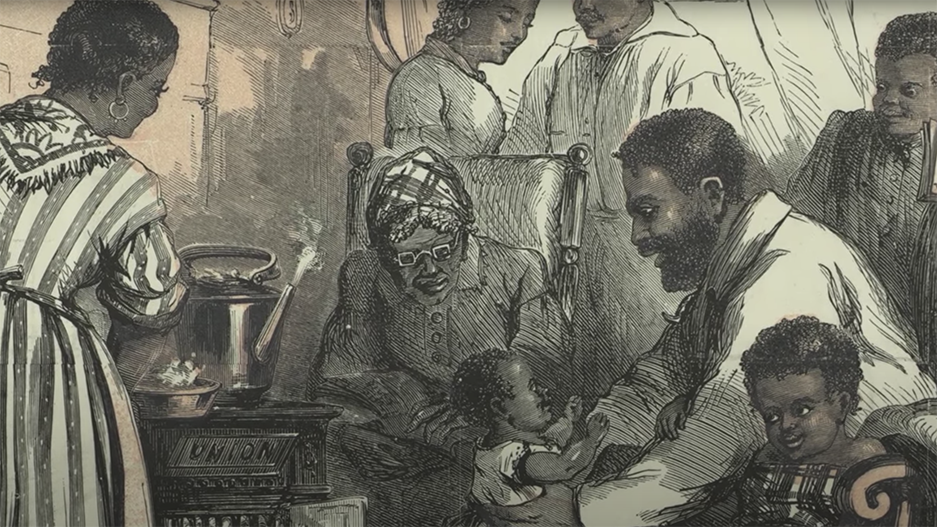 Voices of the Civil War Episode 36: Special Field Orders, No. 15.
On the evening of January 12, 1865, Secretary of War, Edwin M. Stanton and Union General,
William T. Sherman met with twenty of Georgia’s black ministers to discuss what some historians now call the nation’s first act of Reconstruction. The purpose of the meeting was for Sherman and Stanton to gather information on how freedmen understood the war, and how they imagined their future in a post-war America. Based on the conversation that took place that evening, on January 16, 1865, William T. Sherman issued Special Field Order No. 15. Upon Sherman’s order, 400,000 acres of land, including Georgia’s Sea Islands and the mainland thirty miles in from the coast, were redistributed to newly freed slaves. [Video 8:09]
Reconstruction in America: Racial Violence After the Civil War, 1865-1876
An in-depth look at the Reconstruction era written, researched, designed, and produced by the Equal Justice Initiative (EJI). This report is part of a series of reports by EJI on the history of racial inequality in America.[Report]
Segregation
Segregation in America. A multi-part interactive experience produced by EJI (the Equal Justice Initiative) divided into 7 sections. INTRODUCTION / FROM SLAVERY TO SEGREGATION / “MASSIVE RESISTANCE” / BEYOND BROWN: OPPOSITION INTENSIFIES / “SEGREGATION FOREVER”: LEADERS OF WHITE SUPREMACY / HOW SEGREGATION SURVIVED / CONFEDERATE ICONOGRAPHY IN THE 21ST CENTURY
Terror Lynchings (warning: disturbing images)
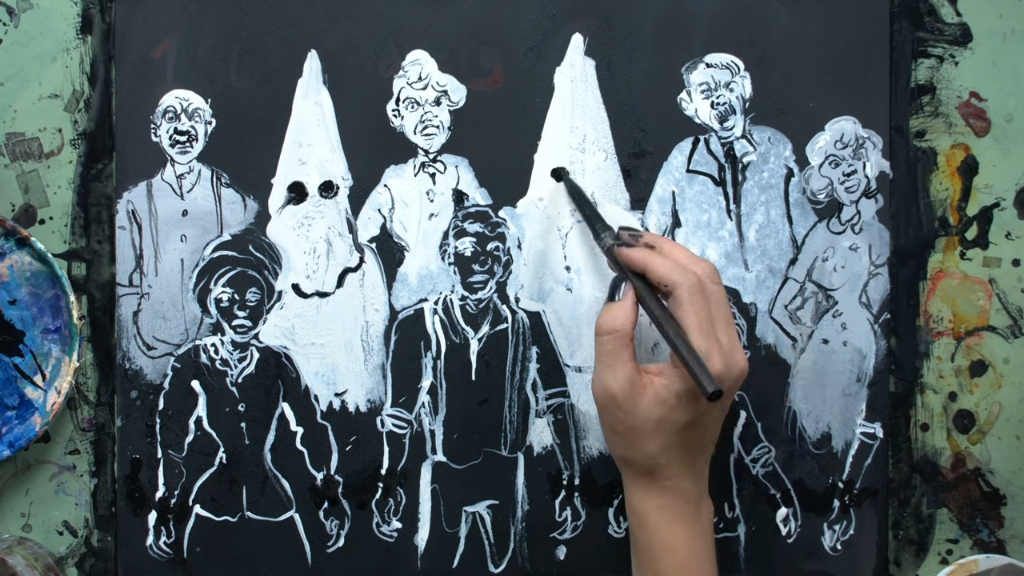 Terror Lynching in America — The Equal Justice Initiative presents Lynching in America: Confronting the Legacy of Racial Terror (with illustrations by Molly Crabapple). Our history of racial terror casts a shadow across the U.S. landscape. We must engage it more honestly. [Video 5:17]
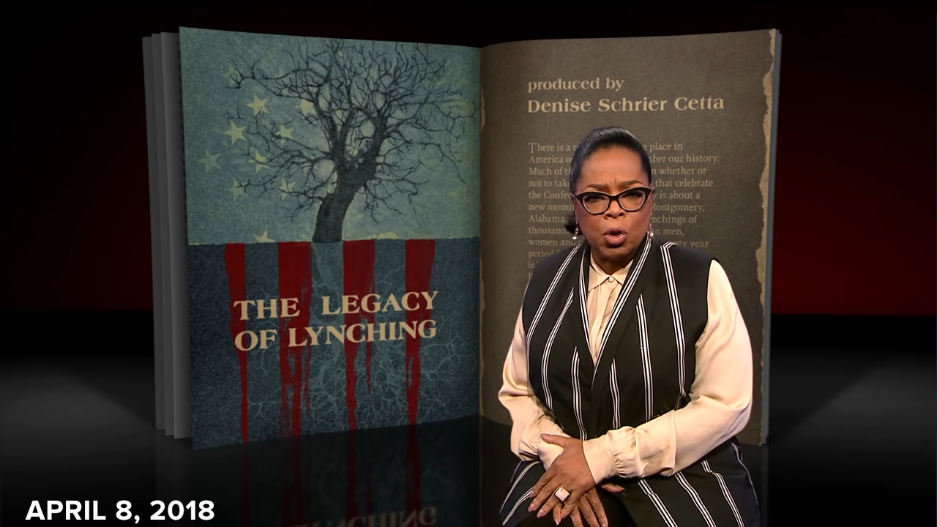 The Lynching Memorial — In 2018, 60 Minutes contributor Oprah Winfrey reported from Alabama on a memorial that honors more than 4,000 victims of lynching in America. [Video 13:47]
Monument Construction
The Lasting Legacy of Confederate Monuments — An interactive timeline showing when confederate monuments were built. “Confederate monuments romanticize a society founded on white supremacy and valorize those who fought on its behalf. Nearly 2000 such monuments stand today throughout the United States.” [Article: approx. 1 min to read]
Jim Crow, Black Codes, and Convict Leasing
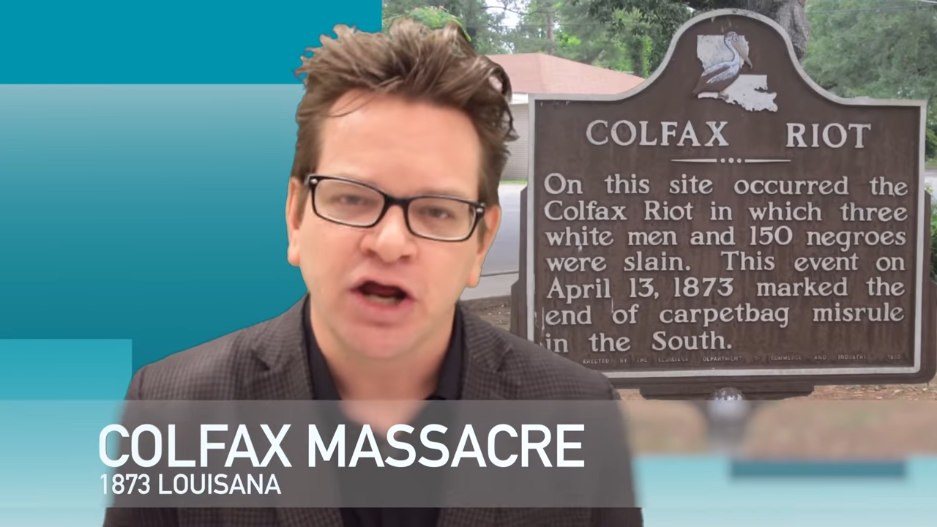 Jim Crow and America’s Racism Explained — A quick look at the term Jim Crow, its meaning, its influence, and its impact on the United States of America. Because you need to know. Whether you’re a kid in school, a life-long learner, understanding Jim Crow should be a requirement of citizenship. [Video 17:44]
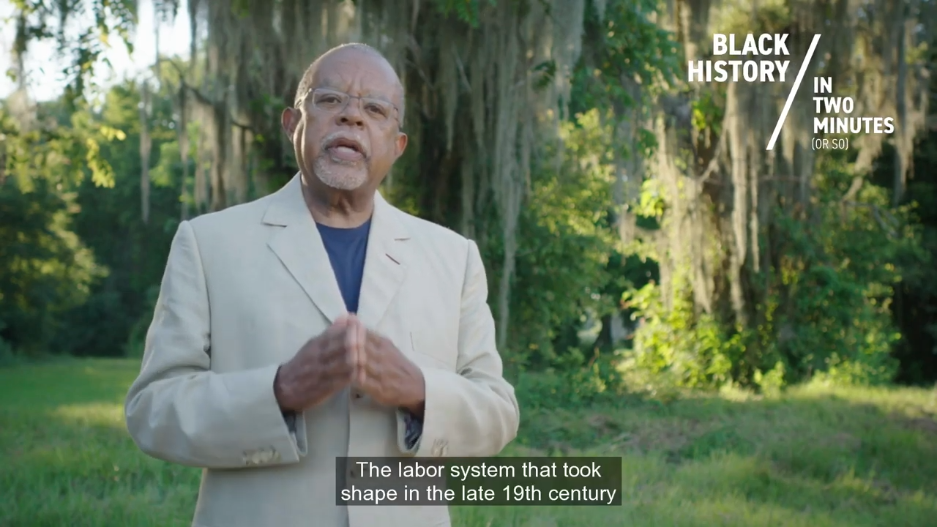 Convict Leasing | Black History in Two Minutes or So — Although the 13th Amendment passed the Senate in 1864 and the House in 1865, the loopholes that exist continue to wreak havoc on the African-American population … The ramifications of this system continue to this day. [Video 2:06]
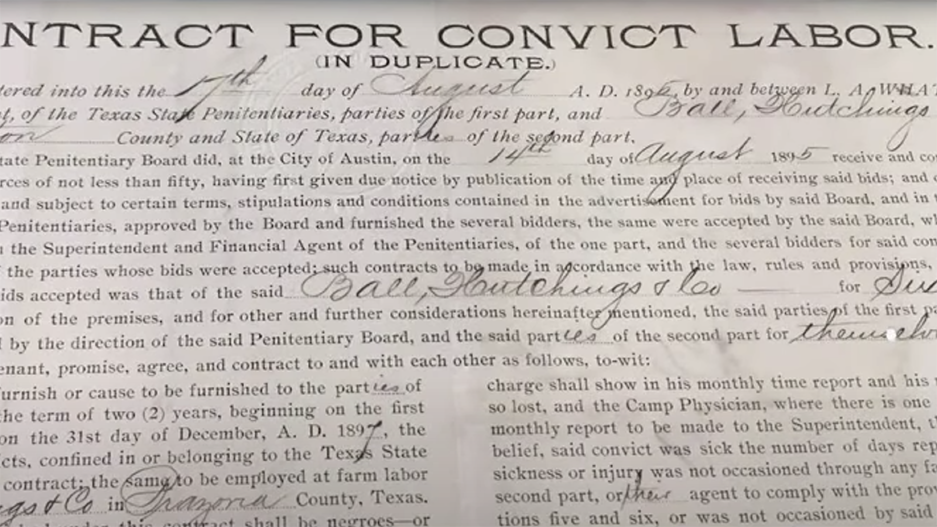 Contracts Show 1800’s Prisoner Leasing System — A discovery at a construction site opened a window into a dark period of Texas state history concerning the convict leasing system in place at the turn of the century. [Video: 3:12]
Redlining and Government Policy
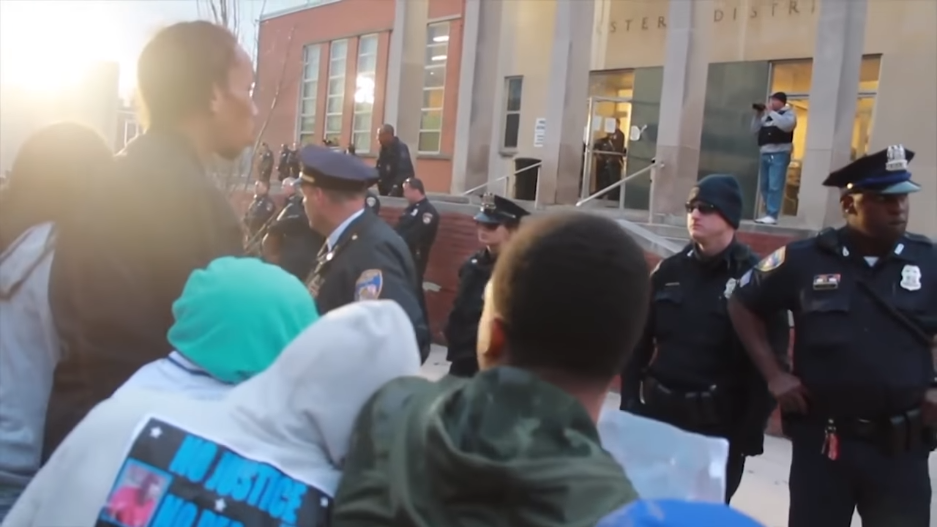 The Forgotten History of How the Government Segregated America: Part One — In part one, author and scholar Richard Rothstein says explicit government policy, not personal choice or redlining was the main force that segregated America. [Video 10:20]
 The Forgotten History of How the Government Segregated America: Part Two — In part two, author Richard Rothstein says explicit unconstitutional housing policy of the 20th century created America’s enormous racial wealth gap. [Video 6:36]
 Redlining and Racial Covenants: Jim Crow of the North — “Racial covenants aren’t just about discriminating against people of color. It’s about enriching white people.” [Video 8:00]
Voter Suppression
Voting Rights: A Short History — The struggle for equal voting rights dates to the earliest days of U.S. history. Now, after a period of bipartisan efforts to expand enfranchisement, Americans once again face new obstacles to voting. [Article: approx. 10 min to read]
Destruction of Black Communities & Wealth
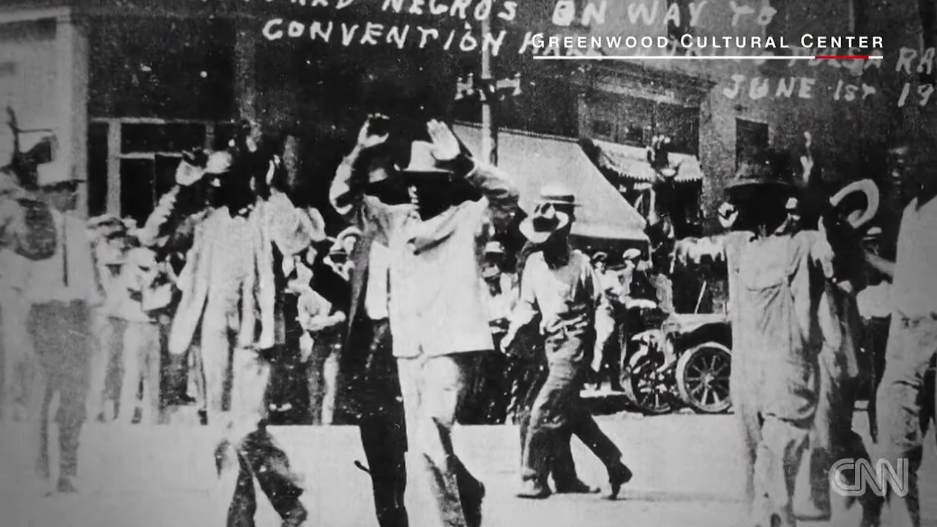 The History of Tulsa’s Black Wall Street Massacre — CNN’s Sara Sidner speaks with a survivor of the massacre at “Black Wall Street” in Tulsa, Oklahoma, about the devastating chapter of American history. [Video 7:16]
 How a Georgia County’s Campaign of Terror Drove Away its Black Community — In 1912, news of a violent sexual assault enraged the residents of Georgia’s Forsyth County and led to a lynching and the execution of two African American teens, as well as a campaign of terror to drive out the entire black community. Special correspondent Duarte Geraldino talks with Patrick Phillips, author of “Blood at the Root,” about healing from a history of racial cleansing. [Video 9:40]
Sundown Towns
Sundown Towns Past and Present — A sundown town is a community that for decades kept non-whites from living in it and was thus “all-white” on purpose. [Article: approx. 8 min to read]
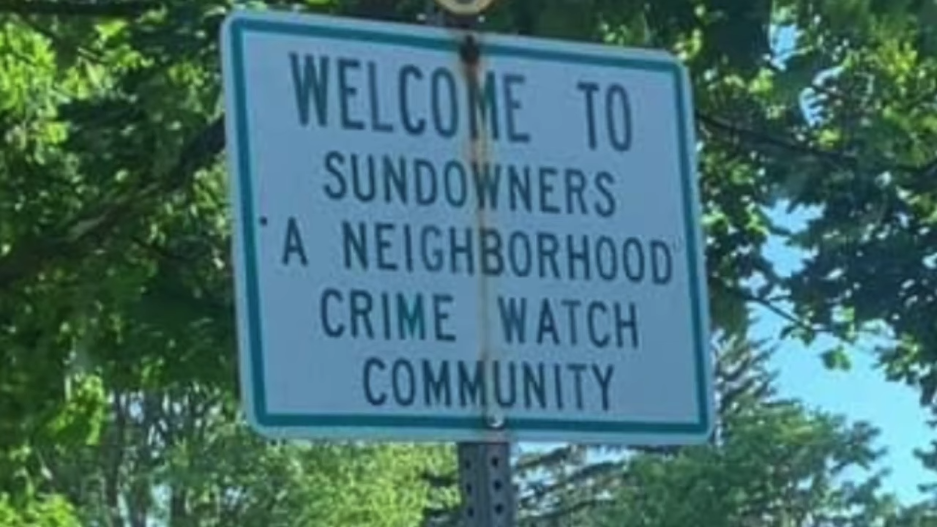 Sundowners Sign Taken Down — A sundown town historically meant black people were not allowed to live there, and sundown towns popped up across the United States between 1890 and 1940. [Video: 2:15]
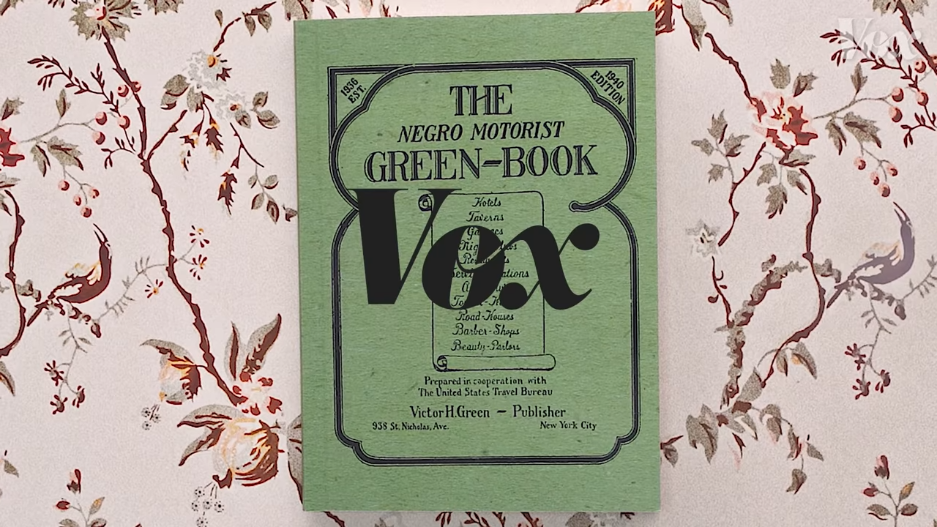 Real Story of The Green Book — Road tripping in the 20th century became an iconic American obsession, and the rising middle class was eager to travel the country on the new interstate highway system. The Green Book was a unique travel guide during this time, when segregation was practiced all over the country. [Video 4:16]
Racial Wealth Gap
How the GI Bill’s Promise Was Denied to a Million Black WWII Veterans — The sweeping bill promised prosperity to veterans. So why didn’t Black Americans benefit? [Article: approx. 5 min to read]
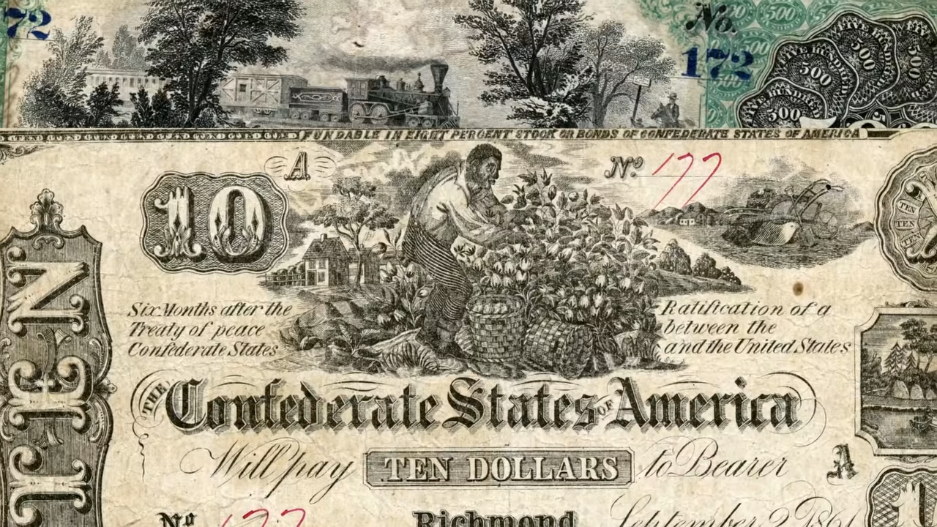 Explained | Racial Wealth Gap | Netflix — In this episode: Cory Booker and others discuss how slavery, housing discrimination and centuries of inequality have compounded to create a racial wealth gap. [Video 16:12]
War On Drugs
Nixon Adviser Admits War on Drugs Was Designed to Criminalize Black People — The Nixon administration’s strategy of using drugs to vilify Black people night after night on the evening news fostered a politics of fear an danger that reached frenzied heights in the1990’s, with politicians on both sides of the aisle seeking to be “tough on crime,” including the Violent Crime Control and Law Enforcement Act signed by President Clinton in 1994. [Article: approx. 3 min to read]
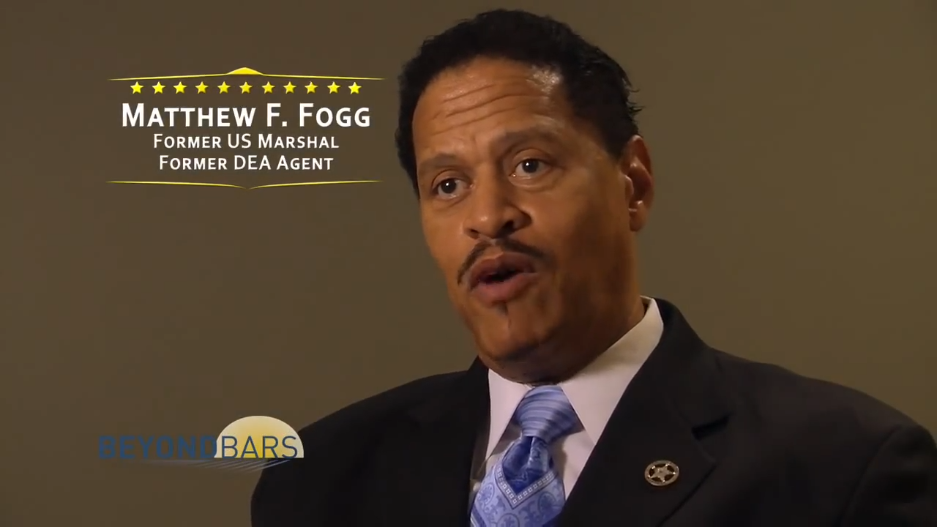 DEA Agent Told Not to Enforce Drug Laws in White Areas — Meet Matthew Fogg, a former U.S. Marshal whose exploits led him to be nicknamed “Batman.” When he noticed that all of his team’s drug raids were in black areas, he suggested doing the same in the suburbs. His boss didn’t take kindly to the idea. [Video 16:12]
Racial Rhetoric
 Exclusive: Lee Atwater’s Infamous 1981 Interview on the Southern Strategy — In 1981, the legendarily brutal campaign consultant Lee Atwater, after a decade as South Carolina’s most effective Republican operative, was working in Ronald Reagan’s White House when he was interviewed by Alexander Lamis, a political scientist at Case Western Reserve University. [Video 1:39 (offensive language)]
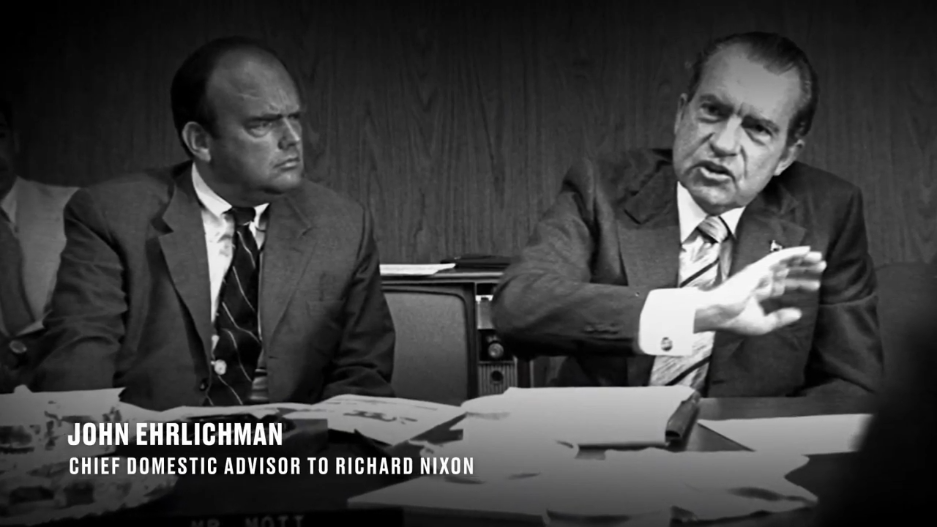 The Rhetoric of Law and Order — A clip from the Netflix documentary, 13th, showing admissions from the Nixon administration that they knew the war on drugs was a lie. It was created to vilify “blacks and hippies” — the administration’s two greatest enemies. [Video 1:04]
Racial Disparities in Healthcare
Bad Medicine: The Harm That Comes From Racism — Racial discrimination has shaped so many American institutions that perhaps it should be no surprise that health care is among them. Put simply, people of color receive less care — and often worse care — than white Americans. [Article: approx. 4 min to read]
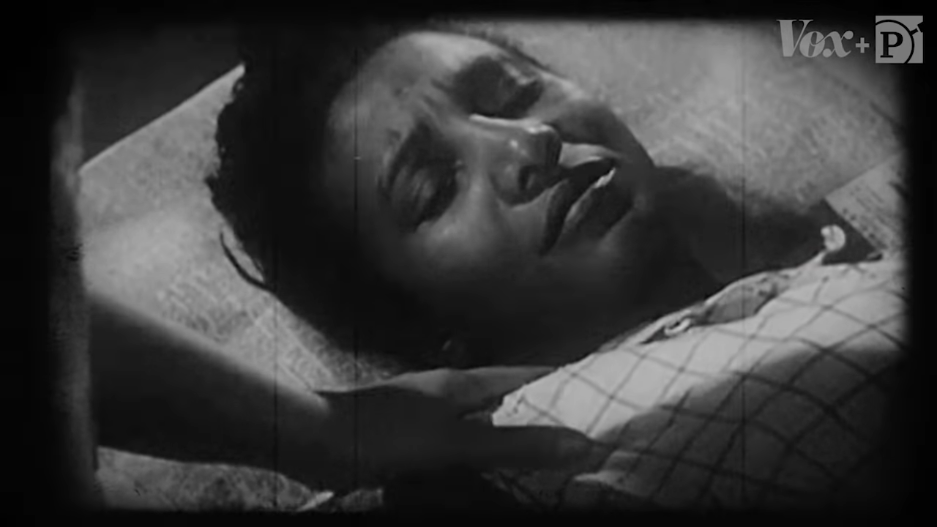 The US Medical System is Still Haunted by Slavery — In a lot of ways, [the story of Dr. J. Marion] Sims epitomizes the story of American Medicine for black women. It’s a system that is failing them to this day, from infant mortality to life expectancy. The racial disparities in healthcare are staggering. [Video 8:49]
Consequences of Systemic Disadvantages
The Race Gap — From birth to death, Black people face systemic disadvantages in American life more than 150 years after slavery was abolished. [Article: approx. 8 min to read]
North Carolina History
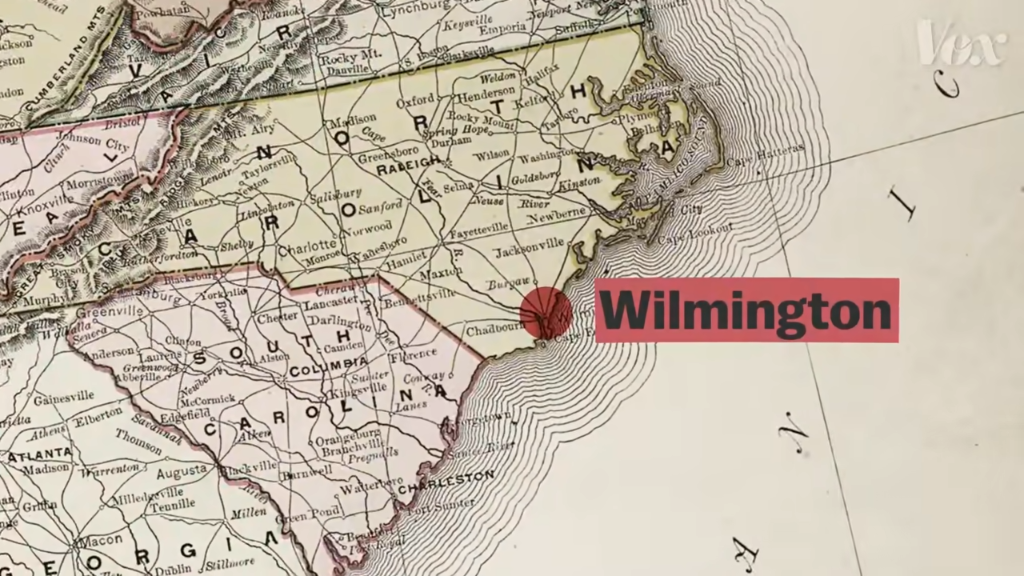 Wilmington: When White Supremacists Overthrew a Government — In November 1898, in Wilmington, North Carolina, a mob of 2,000 white men expelled black and white political leaders, destroyed the property of the city’s black residents, and killed dozens–if not hundreds–of people. How did such a turn of events change the course of the city? For decades, the story of this violence was buried, while the perpetrators were cast as heroes. Yet its impacts resonate across the state to this day. [Video 12:21]
The Color of Water — A special 10-part series on Jim Crow and NC’s coastal waters, our state’s forgotten history of all-white beaches, “Sundown towns,” and racially exclusive resort communities.
- Part 1: Lake Waccamaw
- Part 2: Swansboro: “Don’t Let the Sun Set on You”
- Part 3: Knotts Island – “No Place for Negroes”
- Part 4: The Sign by the Old Ferry Landing
- Part 5: Jim Crow from Nags Head to Wrightsville Beach
- Part 6: Juke Joints, Clam Fritters & Bop City
- Part 7: From Ocean City to Rainbow Beach
- Part 8: To Chicken Bone Beach and Back
- Part 9: Wade-Ins and Swim-Ins
- Part 10: Racial Covenants
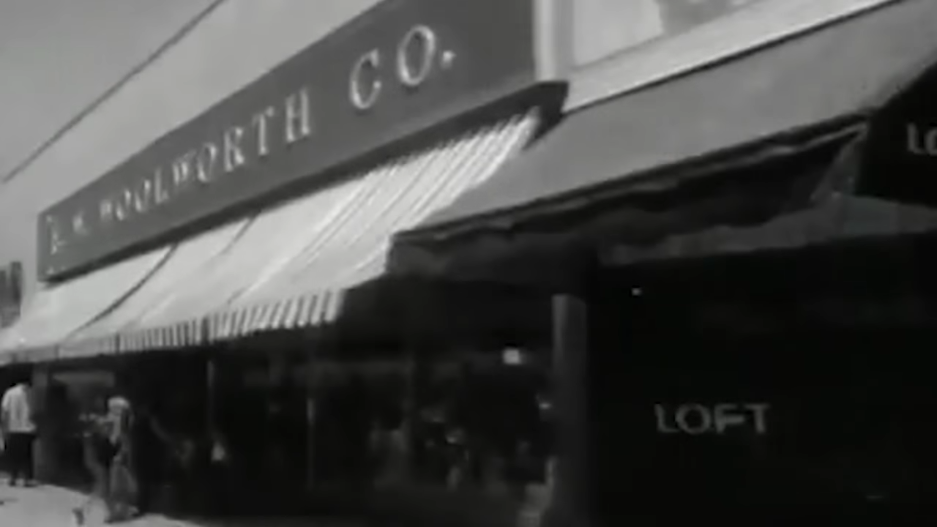
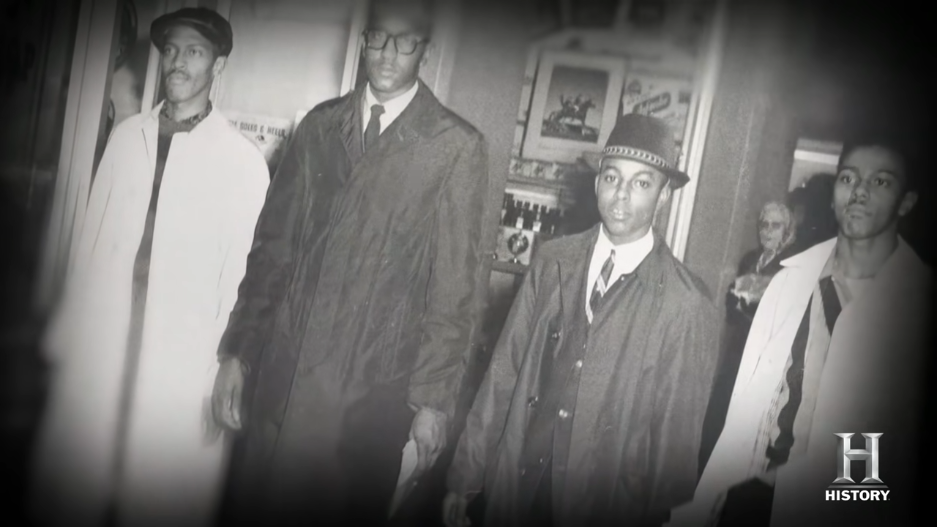 Greensboro Four — Civil Rights activists Joseph McNeil, Diane Nash, and John Lewis reflect on the history and legacy of the lunch counter from the F. W. Woolworth department store in North Carolina and the sit-in campaign that began on February 1, 1960. [Video 6:31]
Movies and Documentaries
 13th — In this thought-provoking documentary, scholars, activists and politicians analyze the criminalization of African Americans and the U.S. prison boom. [Trailer 2:19]
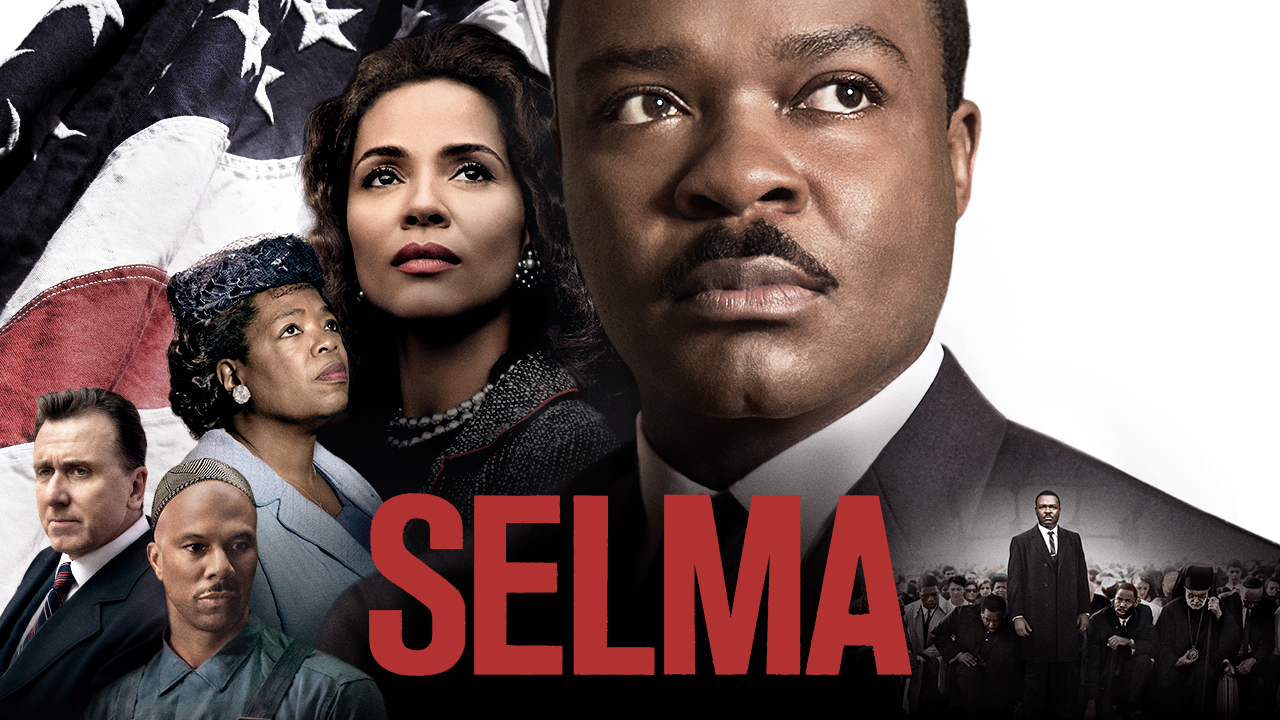 Selma — From the Oscar-winning producers of 12 Years a Slave and acclaimed director Ava DuVernay comes the true story of courage and hope that changed the world forever. Golden Globe nominee David Oyelowo shines as Dr. Martin Luther King Jr. who rallied his followers on the historic march from Selma to Montgomery in the face of violent opposition an event that became a milestone victory for the civil rights movement. [Movie 2h 8m]
 I Am Not Your Negro — Master filmmaker Raoul Peck envisions the book James Baldwin never finished, Remember This House. The result is a radical, up-to-the-minute examination of race in America, using Baldwin’s original words and flood of rich archival material. I Am Not Your Negro is a journey into black history that connects the past of the Civil Rights movement to the present of #BlackLivesMatter. [Documentary 1h 35m]
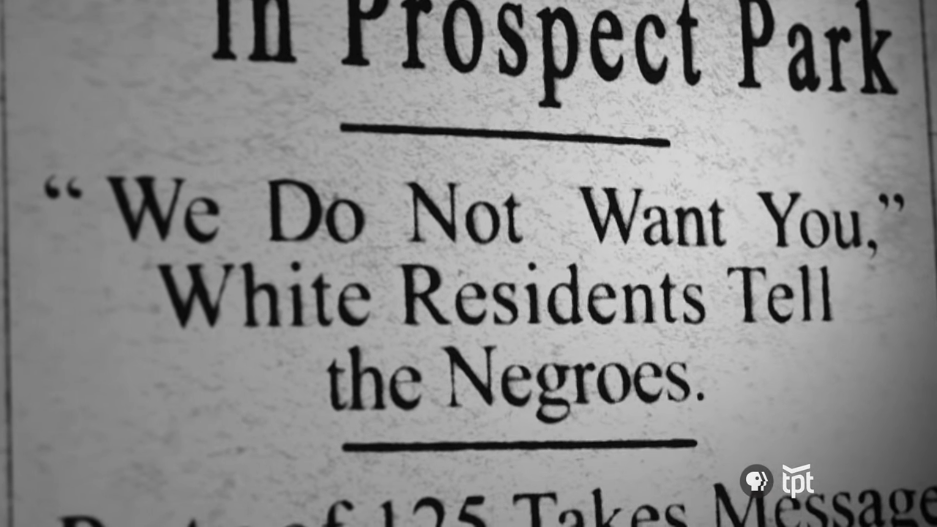 Jim Crow in the North — Roots of racial disparities are seen through a new lens in this film that explores the origins of housing segregation in the Minneapolis area. But the story also illustrates how African-American families and leaders resisted this insidious practice, and how Black people built community — within and despite — the red lines that these restrictive covenants created. [Documentary 57m 36s]
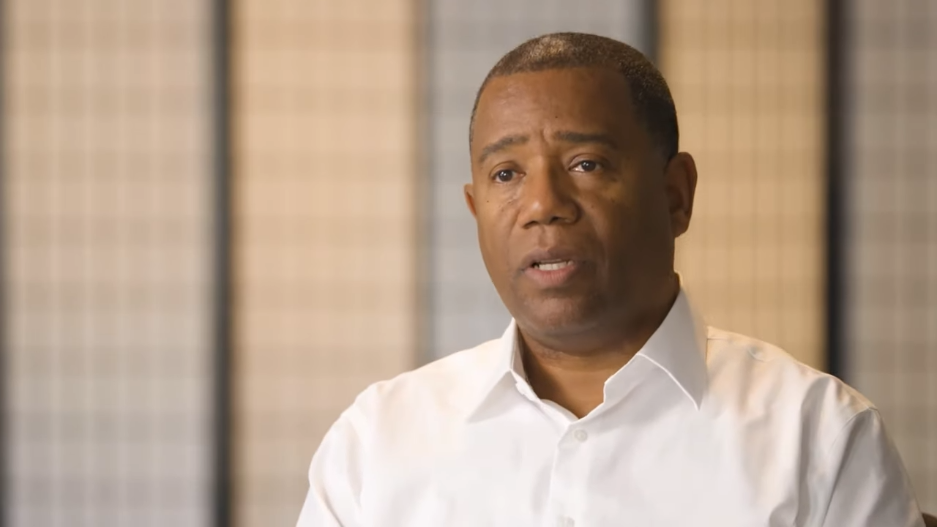 Justified Journey — Sometimes history cannot live in the past. America’s 400-year-old experience with slavery has not ended for the descendants of those who were owned humans. Follow one man’s journey to trace his ancestors as it winds through the nation’s unresolved history with African Americans. Justified Journey shines a light that illuminates the understanding of the racial inequities that still hold our country back today. [Movie 40m 37s]
Books
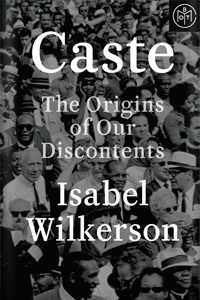 Caste: The Origins of Our Discontent — The Pulitzer Prize-winning, bestselling author of The Warmth of Other Suns examines the unspoken caste system that has shaped America and shows how our lives today are still defined by a hierarchy of human divisions. [Book 496 pages]
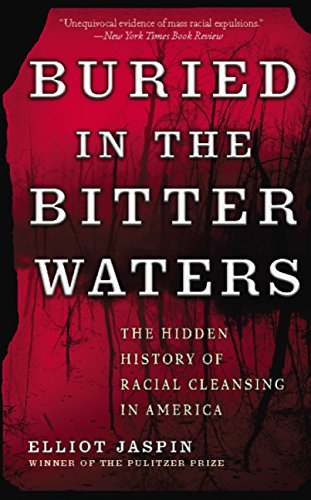 Buried in the Bitter Waters — “Leave now, or die!” Those words-or ones just as ominous-have echoed through the past hundred years of American history, heralding a very unnatural disaster-a wave of racial cleansing that wiped out or drove away black populations from counties across the nation. While we have long known about horrific episodes of lynching in the South, this story of racial cleansing has remained almost entirely unknown. These expulsions, always swift and often violent, were extraordinarily widespread in the period between Reconstruction and the Depression era. [Book 356 pages]
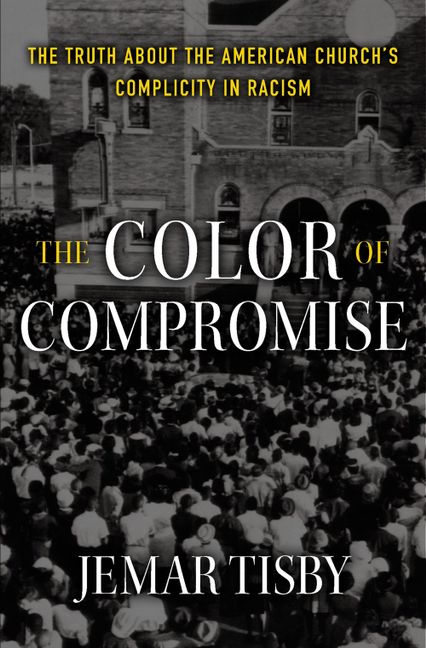 The Color of Compromise — The Color of Compromise is both enlightening and compelling, telling a history we either ignore or just don’t know. Equal parts painful and inspirational, it details how the American church has helped create and maintain racist ideas and practices. You will be guided in thinking through concrete solutions for improved race relations and a racially inclusive church. [Book 256 pages]
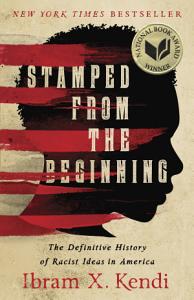 Stamped from the Beginning — Some Americans insist that we’re living in a post-racial society. But racist thought is not just alive and well in America–it is more sophisticated and more insidious than ever. And as award-winning historian Ibram X. Kendi argues, racist ideas have a long and lingering history, one in which nearly every great American thinker is complicit. [Book 582 pages]
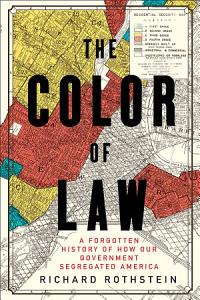 The Color of Law — Exploding the myth of de facto segregation arising from private prejudice or the unintended consequences of economic forces, Rothstein describes how the American government systematically imposed residential segregation: with undisguised racial zoning; public housing that purposefully segregated previously mixed communities; subsidies for builders to create whites-only suburbs; tax exemptions for institutions that enforced segregation; and support for violent resistance to African Americans in white neighborhoods. [Book 368 pages]
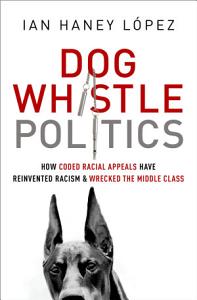 Dog Whistle Politics — Rejecting any simple story of malevolent and obvious racism, Haney Lopez links as never before the two central themes that dominate American politics today: the decline of the middle class and the Republican Party’s increasing reliance on white voters. Dog Whistle Politics will generate a lively and much-needed debate about how racial politics has destabilized the American middle class-white and nonwhite members alike. [Book 303 pages]
Donate / Get Involved
VOTING RIGHTS EDUCATION AND PROTECTION
Lawyers and Collars — Lawyers and Collars brings together faith leaders, working in partnership with attorneys, and civic engagement organizations to involve communities of faith in voting rights education and protection. The initiative is dedicated to protecting our most vulnerable citizens and protecting the right to vote for all. http://lawyersandcollars.org/
Voting Rights: Southern Coalition — The Southern Coalition for Social Justice is a 501(c)(3) nonprofit organization founded in August 2007 in Durham, North Carolina by a multidisciplinary group, predominantly people of color, who believed that families and communities engaged in social justice struggles need a team of lawyers, social scientists, community organizers, and media specialists to support them in their efforts to dismantle structural racism and oppression. https://www.southerncoalition.org/
YOUTH MENTORING
100 Black Men of Triangle East — The 100 Black Men of Triangle East, is devoted to improving the quality of life for African-Americans–particularly young males–through programs focusing on health and wellness, economic empowerment, mentoring and education. We work with individuals and groups throughout North Carolina, primarily in Wake and Durham counties. Through our health and wellness programs we focus on education, awareness and public policy issues that disproportionately affect African Americans. https://www.100bmte.org/